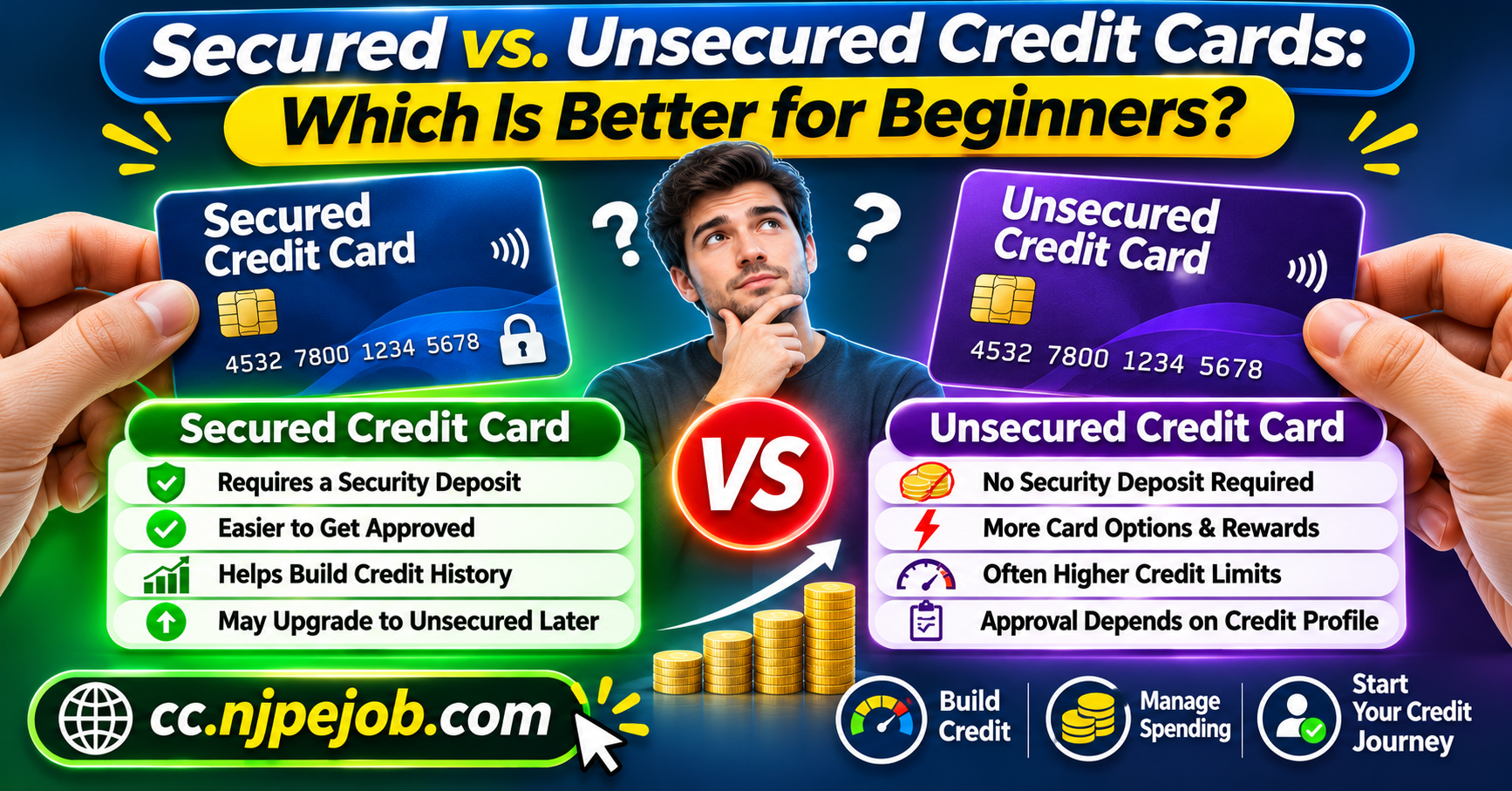
Secured vs. Unsecured Credit Cards: Which Is Better for Beginners?
Getting your first credit card is an important step toward building a strong financial future. A credit card can help you establish a credit history, manage everyday purchases, and develop responsible borrowing habits.
However, choosing the right credit card can be confusing, especially if you have never borrowed money before.
Two common options are secured credit cards and unsecured credit cards. Although both allow you to make purchases and build credit, they work differently and have distinct advantages and disadvantages.
Secured credit cards generally require a refundable security deposit, while unsecured credit cards typically do not require an upfront deposit.
Understanding these differences can help you choose a card that fits your financial circumstances and long-term goals.
In this guide, we explain how secured and unsecured credit cards work, compare their costs and benefits, and explore which option may be better for beginners in 2026.
What Is a Secured Credit Card?
A secured credit card is a type of credit card that requires a security deposit before the account becomes available for use.
The deposit serves as collateral for the card issuer, reducing the financial risk of lending money to someone with limited or damaged credit history.
For example, suppose you apply for a secured credit card that requires a $300 security deposit.
Depending on the issuer's policies, you may receive a credit limit of approximately $300.
You can then use the card for purchases, just as you would use a traditional credit card.
However, the security deposit is not usually used to pay your monthly bill automatically.
You must make your required payments separately.
If you manage the account responsibly, some issuers may eventually return your deposit and upgrade you to an unsecured credit card.
Secured cards are particularly useful for individuals who are building credit for the first time or recovering from previous financial difficulties.
How Does a Secured Credit Card Work?
The process is relatively straightforward.
First, you apply for a secured credit card through a bank, credit union, or credit card company.
If approved, you provide the required security deposit.
The issuer then establishes your credit limit according to its policies.
Once the card is activated, you can use it for eligible purchases.
Each month, the issuer sends a statement showing your outstanding balance, minimum payment, and payment due date.
You must repay the amount borrowed according to the card agreement.
If the issuer reports your payment activity to major credit bureaus, responsible use can help establish or improve your credit history.
Over time, consistent payments and responsible spending may improve your eligibility for other credit products.
What Is an Unsecured Credit Card?
An unsecured credit card is a traditional credit card that does not require a security deposit.
Instead, the card issuer evaluates factors such as your credit history, income, existing debt, and ability to repay borrowed money.
Based on that evaluation, the issuer decides whether to approve your application and what credit limit to offer.
For example, a beginner with sufficient income and an acceptable credit profile might qualify for an unsecured credit card with a $1,000 credit limit.
The cardholder can make purchases up to the available credit limit and repay the balance according to the account terms.
Unlike secured cards, there is usually no collateral deposit.
However, approval may be more challenging for applicants with limited credit history.
Some issuers offer unsecured starter cards designed specifically for students or people who are new to credit.
Secured vs. Unsecured Credit Cards: Key Differences
Although both types of cards can help establish credit, their requirements and features differ.
| Feature | Secured Credit Card | Unsecured Credit Card |
|---|---|---|
| Security deposit | Usually required | Usually not required |
| Approval requirements | Often more flexible | Depend more heavily on creditworthiness |
| Credit limits | Frequently linked to deposit | Based on issuer's evaluation |
| Credit building | Yes, if activity is reported | Yes, if activity is reported |
| Interest charges | May apply | May apply |
| Rewards | Available on some cards | Often more options |
| Deposit refund | Possible under issuer's terms | Not applicable |
| Best suited for | Limited or damaged credit | Applicants who qualify without a deposit |
Neither card type automatically guarantees a higher credit score.
The way you manage the account is generally more important than whether the card is secured or unsecured.
Advantages of Secured Credit Cards
Secured credit cards offer several benefits for beginners.
1. Easier Access for People With Limited Credit
One major advantage is that secured cards often have more flexible approval requirements.
Because the issuer holds a deposit as collateral, it may be more willing to approve applicants who have little or no credit history.
This can make secured cards a practical starting point for people who have difficulty qualifying for traditional cards.
However, approval is not guaranteed, and issuers may still review your credit history.
2. Opportunity to Build Credit History
Many secured credit card issuers report payment activity to credit reporting agencies.
Making timely payments can help establish a positive payment history.
Over time, this information may contribute to credit score development.
Before applying, confirm whether the issuer reports account activity to Equifax, Experian, and TransUnion.
3. More Controlled Credit Limits
Secured credit cards often have relatively small credit limits.
For beginners, this may encourage more careful spending.
However, even a small limit can be mismanaged if the cardholder regularly carries balances or misses payments.
Responsible budgeting remains essential.
4. Potential Upgrade to an Unsecured Card
Some secured credit cards provide opportunities to graduate to unsecured accounts.
After a period of responsible use, an issuer may review your payment history and determine whether you qualify for an upgrade.
Depending on the card's terms, your security deposit may then be returned.
This can provide a path toward traditional credit products without necessarily opening another account.
Disadvantages of Secured Credit Cards
Despite their benefits, secured cards have certain limitations.
Upfront Deposit Requirement
The most obvious drawback is the required security deposit.
For someone with limited savings, setting aside $200, $300, or more may be difficult.
The deposited money may remain unavailable until the issuer returns it under the account agreement.
Potential Fees and Interest Charges
Some secured cards charge annual fees, monthly maintenance fees, or relatively high interest rates.
These expenses can reduce their overall value.
Carefully reviewing the card's pricing disclosures is important.
Limited Rewards Programs
Although some secured cards offer cash back or other rewards, many provide fewer benefits than competitive unsecured credit cards.
For beginners, credit-building features and reasonable fees may be more important than earning rewards.
Advantages of Unsecured Credit Cards
Unsecured credit cards also offer benefits that may appeal to first-time users.
1. No Security Deposit
The biggest advantage is that you generally do not need to provide money upfront as collateral.
This allows you to keep your savings available for emergencies or other financial priorities.
2. More Credit Card Options
The unsecured card market includes student cards, beginner cards, cash back cards, travel rewards cards, and other products.
This variety can make it easier to find features that match your spending habits.
3. Potentially Higher Credit Limits
Some unsecured cards offer higher starting credit limits than secured cards.
A larger credit limit can provide flexibility, although it should never be treated as additional income.
4. Rewards and Additional Benefits
Depending on the product, unsecured cards may offer cash back, purchase protections, travel benefits, or introductory interest promotions.
However, these benefits should be weighed against annual fees, interest rates, and other terms.
Disadvantages of Unsecured Credit Cards
An unsecured credit card is not automatically the best choice for every beginner.
Stricter Approval Standards
Applicants with limited income, damaged credit, or no credit history may find approval more difficult.
Some unsecured cards specifically target beginners, but others require stronger credit profiles.
Risk of Overspending
A higher credit limit may encourage spending beyond what you can comfortably repay.
If you carry a balance, interest charges can accumulate and make repayment more expensive.
Potentially Expensive Starter Cards
Some unsecured cards marketed toward people with poor credit charge high fees or unfavorable interest rates.
An unsecured card with excessive charges may cost substantially more than a well-designed secured card.
Always compare the full terms before applying.
Which Card Is Better for Building Credit?
Both secured and unsecured credit cards can help build credit when the issuer reports account activity to credit bureaus.
The most important factor is how responsibly you use the card.
Payment history plays a major role in common credit scoring models.
Making payments on time demonstrates that you can manage borrowed money.
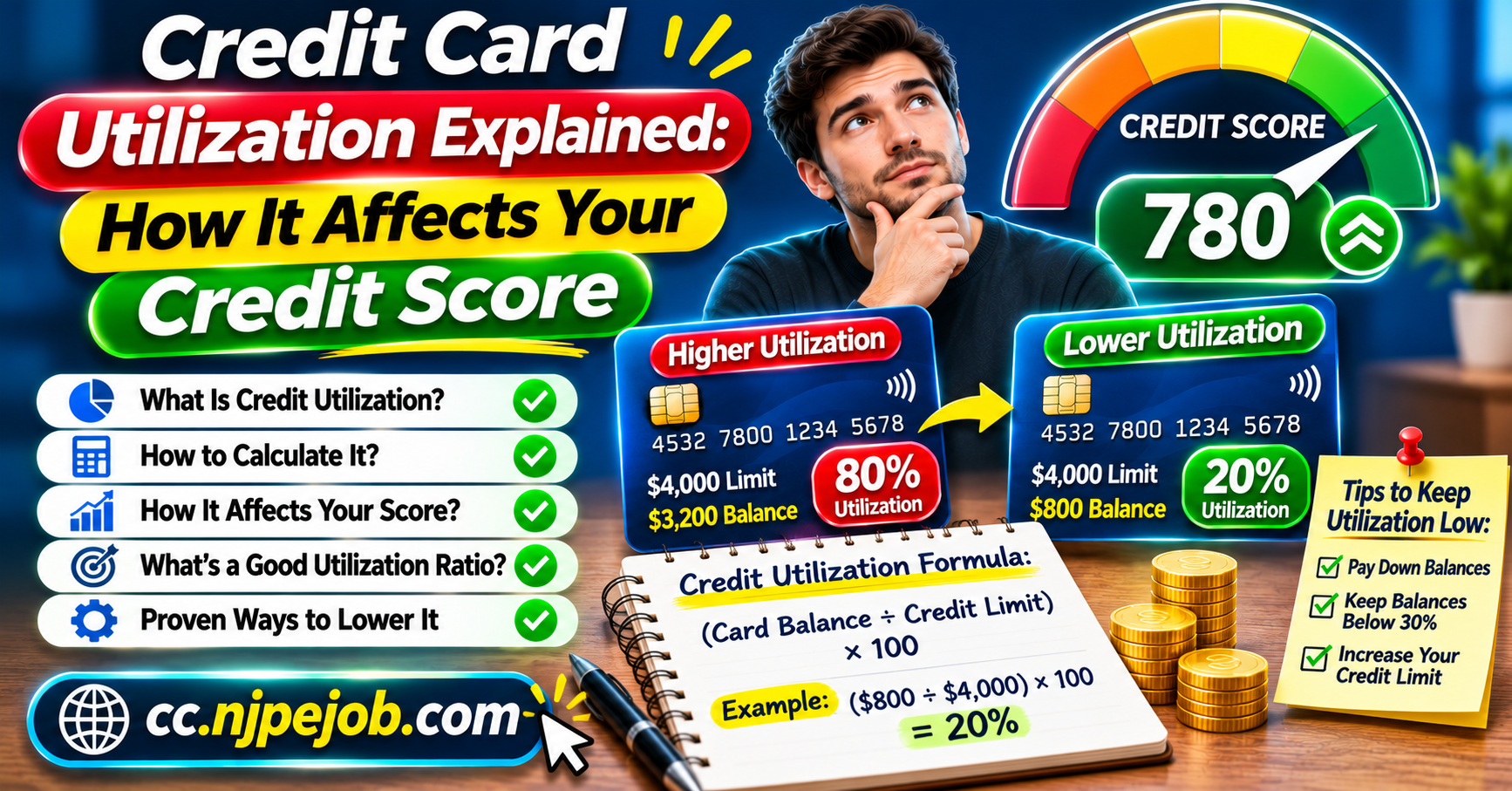
Credit utilization is another important factor.
This represents the percentage of your available revolving credit that you are using.
For example, if your credit limit is $500 and your reported balance is $100, your utilization rate is 20%.
Keeping reported balances relatively low can help support healthier credit utilization.
A commonly used guideline is to stay below 30%, although lower utilization can be beneficial, and 30% is not a guaranteed scoring threshold.
You do not need to carry a balance or pay interest to build credit.
Paying your full statement balance on time is generally a better financial habit.
Example: Choosing Your First Credit Card
Consider two fictional beginners.
Example 1: Emma Has No Credit History
Emma recently started working and has never used a credit card.
She has some savings but does not qualify for the unsecured cards she initially considered.
A secured credit card with a $300 refundable deposit may offer a practical way to begin establishing credit.
By making occasional purchases and paying her statement balance on time, Emma can develop positive payment habits.
If her issuer reports the account to credit bureaus, her responsible activity may help build her credit history.
Example 2: Daniel Qualifies for a Starter Card
Daniel is a college student with part-time employment.
He qualifies for a beginner-friendly unsecured credit card with no annual fee.
Because the card does not require a deposit, he can preserve his savings.
If Daniel consistently pays on time and keeps his spending manageable, the unsecured card may provide a convenient way to build credit.
These examples show why the better choice depends on individual circumstances rather than the card category alone.
How to Choose the Right Credit Card as a Beginner
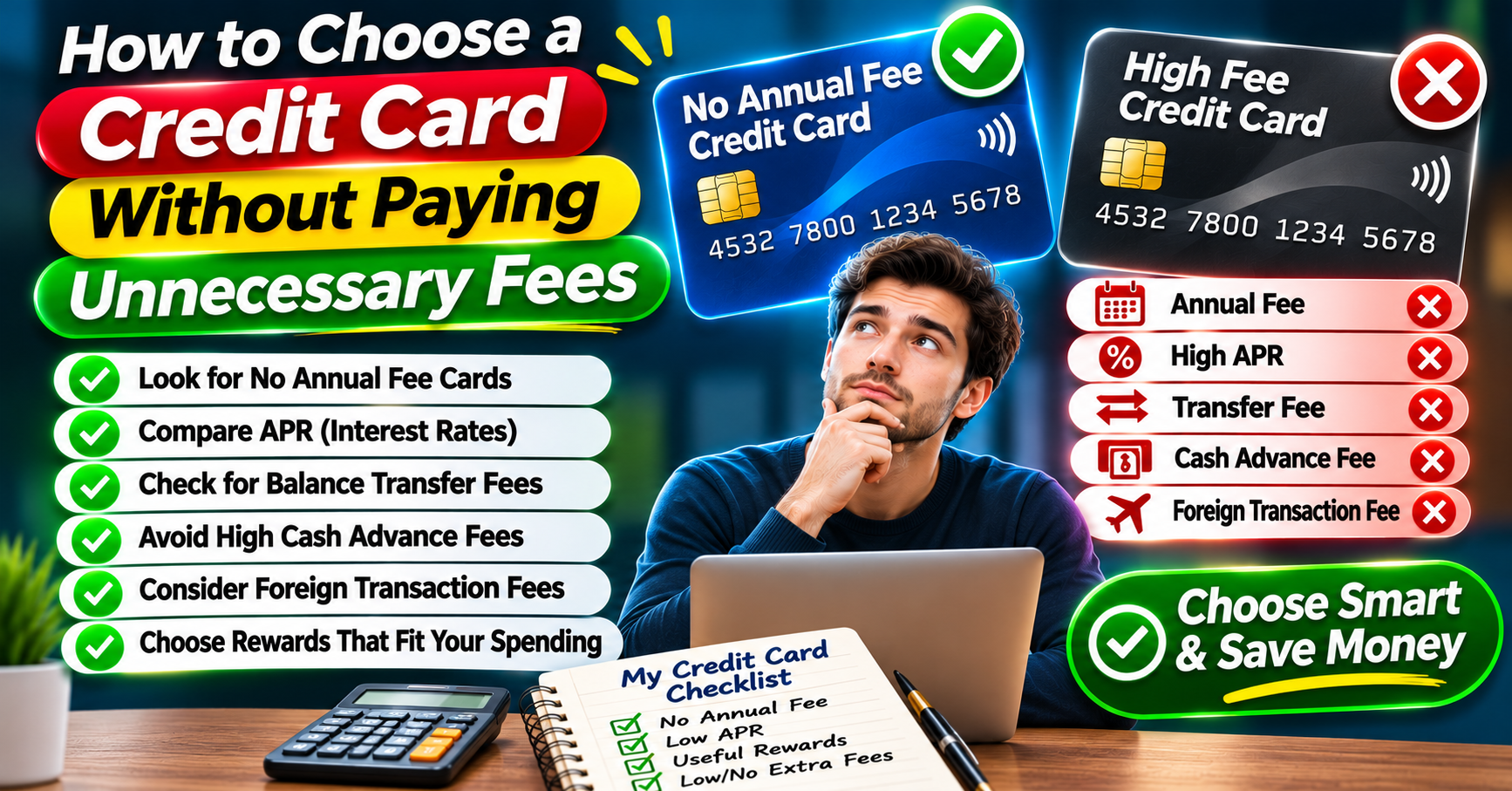
Before submitting an application, compare several important features.
Annual fees: Look for cards with no annual fee or reasonable charges.
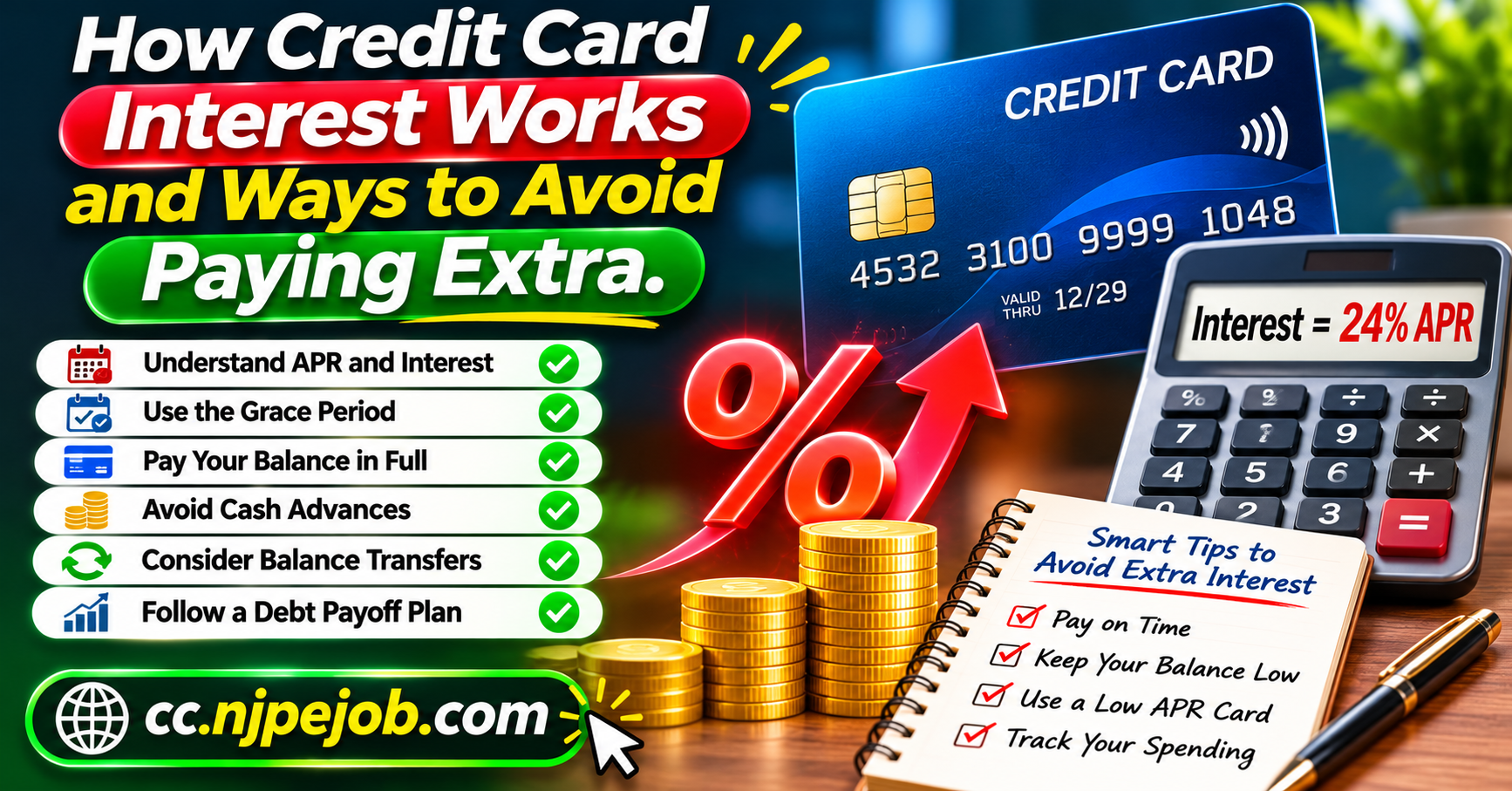
Interest rates: Review the purchase APR, particularly if you might carry a balance.
Security deposit: If considering a secured card, make sure the deposit is affordable.
Credit bureau reporting: Confirm that the issuer reports account activity to the major credit bureaus.
Upgrade opportunities: Check whether a secured card offers a path toward an unsecured account.
Approval requirements: Review the issuer's eligibility guidelines before applying.
Customer service: Consider the availability of account alerts, mobile applications, and payment management tools.
Choosing a card with manageable terms is generally more valuable than focusing solely on promotional rewards.
Tips for Using Your First Credit Card Responsibly
Whether you choose a secured or unsecured card, good financial habits are essential.
Pay Your Bills on Time
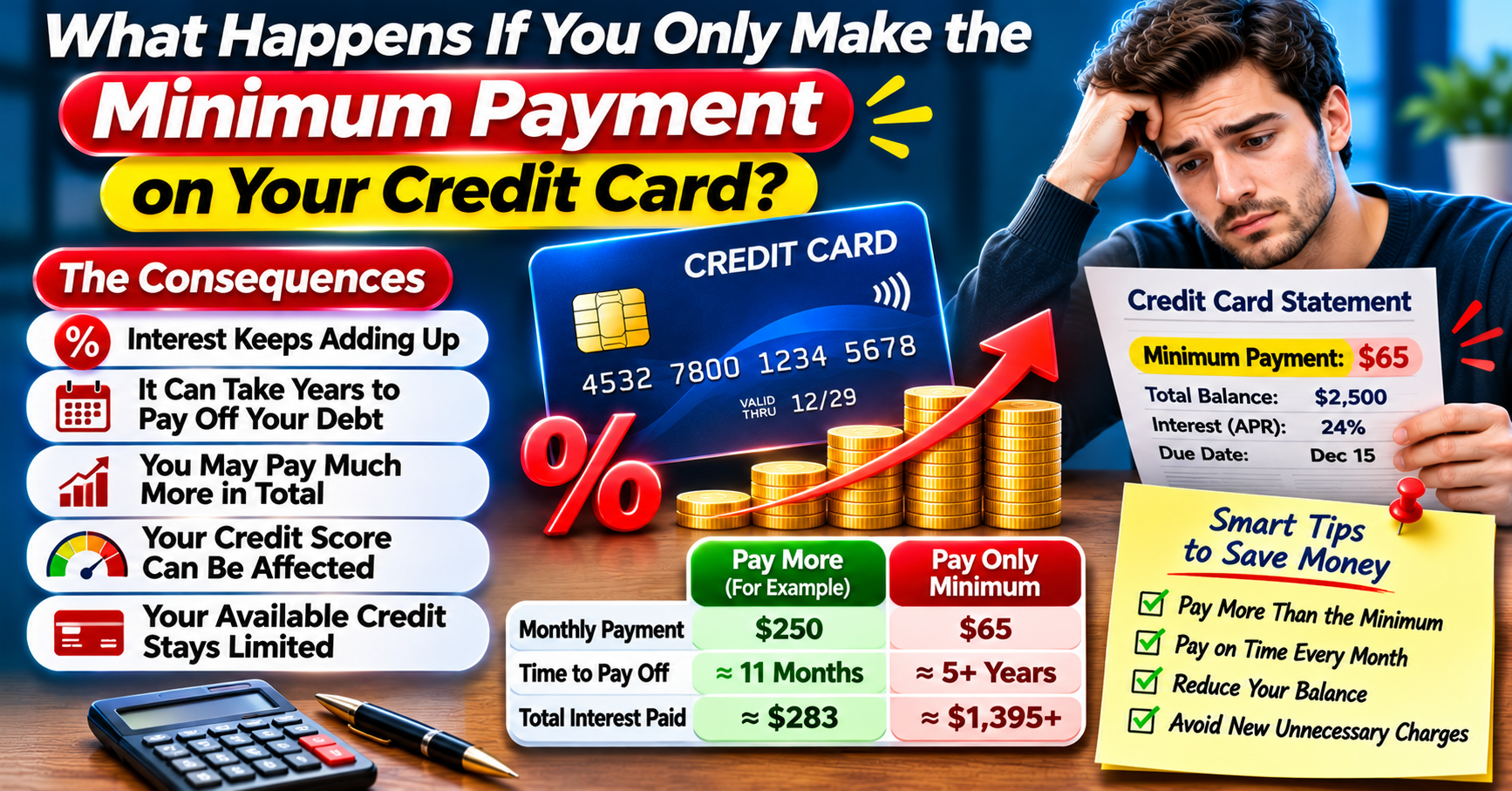
Late payments can damage your credit history and potentially result in fees.
Consider setting up automatic payments or reminders.
Pay Your Full Statement Balance
Whenever possible, pay the full statement balance by the due date.
If your account has an applicable purchase grace period, this can help you avoid interest charges.
Keep Your Balance Manageable
Avoid using most of your available credit.
Small, affordable purchases can help you practice responsible account management.
Review Your Credit Reports
Monitoring your credit reports allows you to identify mistakes, unfamiliar accounts, or potentially fraudulent activity.
Avoid Applying for Too Many Cards
Multiple credit card applications in a short period can result in hard inquiries and may affect your credit score.
Apply selectively for products that genuinely meet your needs.
Can You Upgrade a Secured Credit Card to an Unsecured Card?
Some financial institutions allow secured credit cardholders to graduate to unsecured accounts after demonstrating responsible use.
The process may involve reviewing your payment history, account standing, and overall credit profile.
If you qualify, the issuer may return your deposit and continue the account without requiring collateral.
However, not all secured cards offer automatic graduation.
Some require a manual review, while others may only return the deposit when the account is closed.
Before opening a secured card, ask the issuer about its graduation policy and deposit refund conditions.
Frequently Asked Questions
Is a secured credit card better for someone with no credit history?
It can be a suitable option if you cannot qualify for an affordable unsecured card. However, beginners who qualify for a low-fee unsecured card may prefer avoiding a security deposit.
Does a secured credit card build credit faster?
Not necessarily. Credit-building results depend on reported account activity, payment history, credit utilization, and other factors rather than the security deposit alone.
Can I get my secured credit card deposit back?
Many secured cards offer refundable deposits when the account is closed in good standing or upgraded under the issuer's policies. Outstanding balances or other obligations may affect the refund.
Do unsecured credit cards have higher interest rates?
Not always. Rates depend on the card, issuer, applicant's credit profile, and market conditions. Both secured and unsecured cards can have expensive APRs.
How long does it take to build a credit score?
For a standard FICO score, an individual generally needs at least one account that has been open and reported for six months, along with recent reported activity. Other credit scoring models may have different requirements.
Final Verdict: Secured or Unsecured Credit Card?
Both secured and unsecured credit cards can be useful tools for beginners.
A secured credit card may be the better choice if you have limited credit history, difficulty qualifying for traditional cards, or want a structured way to begin building credit.
An unsecured credit card may be preferable if you can qualify for a beginner-friendly product with no annual fee, reasonable terms, and no security deposit.
Neither option is automatically superior.
The best credit card is one that you can afford, understand, and manage responsibly.
Focus on timely payments, low outstanding balances, reasonable fees, and long-term financial stability.
By developing healthy credit habits from the beginning, you can build a stronger credit history and improve your financial opportunities over time.
Disclaimer: This article is for general financial education and does not provide personalized credit or financial advice. Credit card approval, rates, deposits, and account features depend on the issuer and applicant's circumstances.