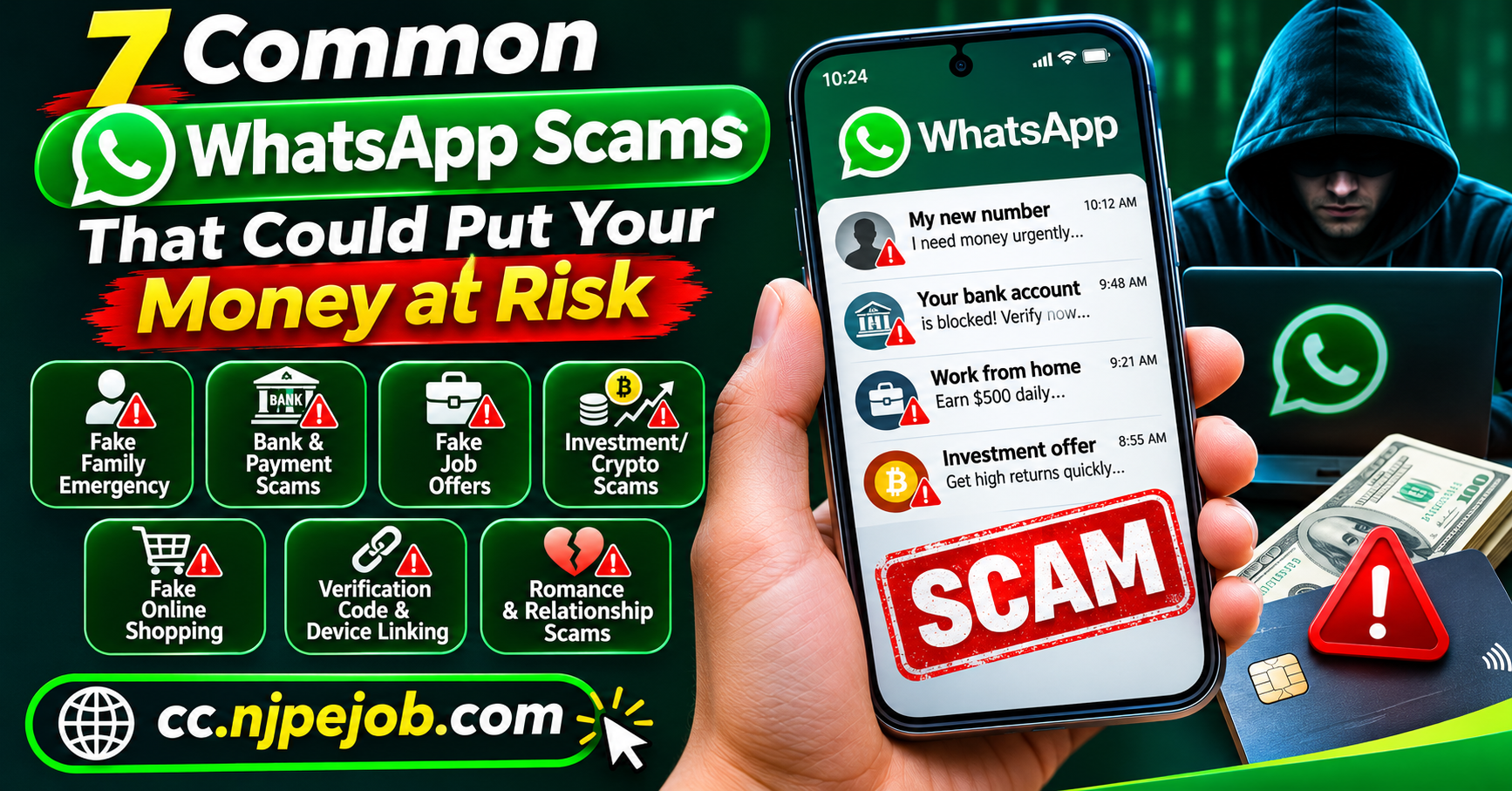
7 Common WhatsApp Scams That Could Put Your Money at Risk
WhatsApp is one of the most widely used messaging applications in the world. People rely on it for personal conversations, business communications, online shopping, and sharing important information. While the platform provides end-to-end encryption and several privacy features, cybercriminals continue to find ways to target unsuspecting users.
Many WhatsApp scams are designed to steal money, banking credentials, personal information, or access to digital accounts. Scammers often impersonate trusted individuals, advertise unrealistic investment opportunities, or send fraudulent payment requests.
The worrying part is that these messages can appear convincing, especially when they come from an account belonging to someone you already know.
In 2026, understanding common online scams has become an important part of protecting your financial security.
This guide explores seven common WhatsApp scams, explains how they operate, and provides practical advice to help you avoid financial losses.
1. Fake Family and Friend Emergency Scams
One of the most deceptive WhatsApp scams involves criminals pretending to be someone you know.
A scammer may contact you using an unfamiliar number and claim to be a family member who recently changed their phone. Sometimes, criminals gain access to an existing WhatsApp account and send messages directly from it.
The message might say:
"Hi, this is my new number. I'm having an emergency and need some money urgently."
The scammer may claim they have experienced a medical emergency, lost their wallet, or need help paying an unexpected bill.
They often create a sense of urgency to discourage victims from checking the story.
How this scam puts your money at risk
Victims may transfer money through banking applications, online payment services, or other payment methods without verifying the recipient.
Once the money is sent, recovering it may be difficult.
How to protect yourself
Call your family member using a previously saved phone number.
Ask questions that an impersonator would struggle to answer.
Never transfer money solely because of an urgent WhatsApp message.
Be cautious when someone suddenly requests payment to an unfamiliar account.
Even if the message arrives from a familiar contact, verify the request independently before sending money.
2. Fake Bank Messages and Payment Verification Scams
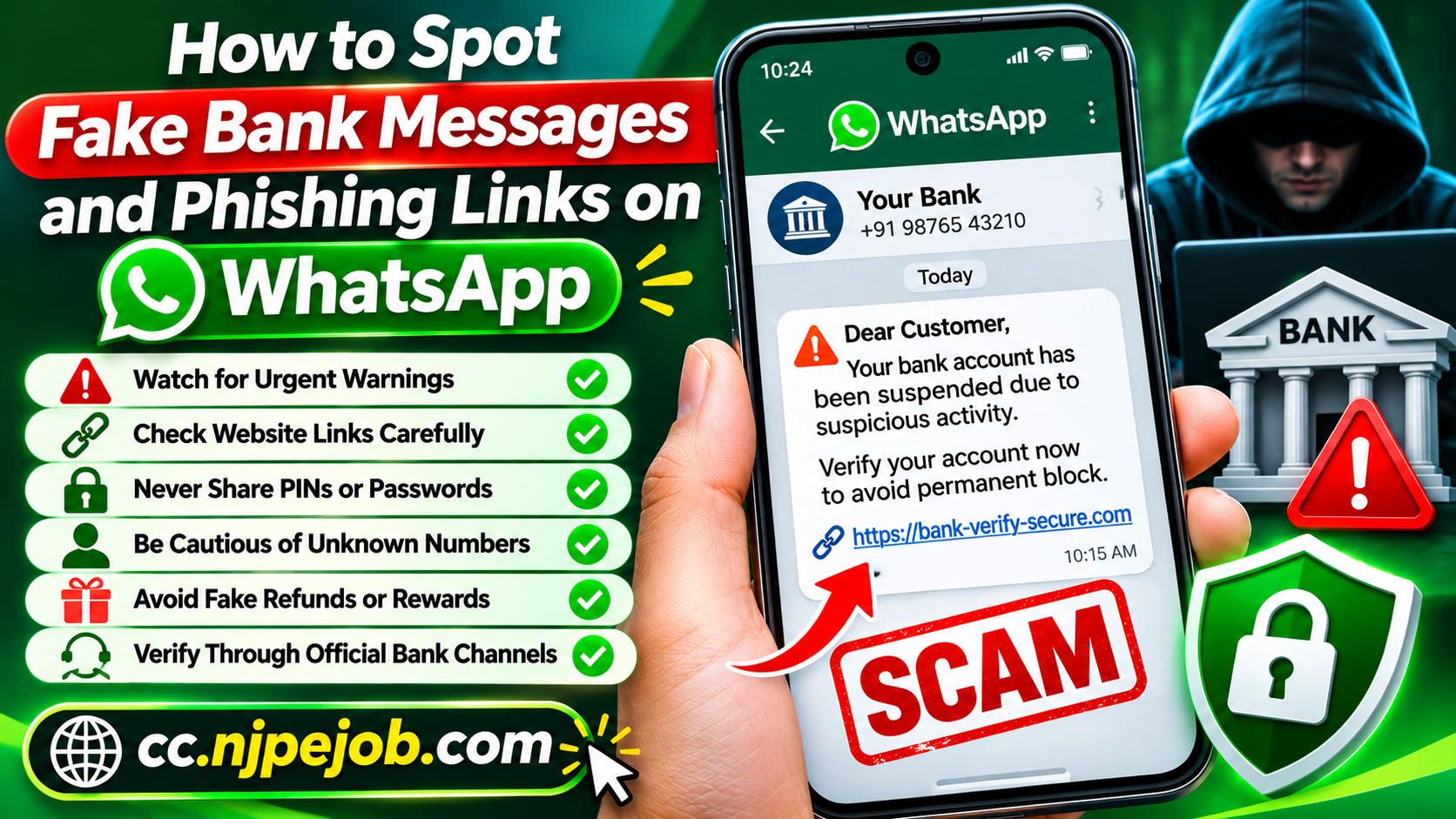
Scammers frequently impersonate banks, credit card companies, and payment service providers through WhatsApp.
They may claim that suspicious activity has been detected on your bank account or that your credit card has been temporarily blocked.
The message may include a link to a website that closely resembles your bank's official login page.
Once you enter your username, password, payment card details, or verification code, the information can be stolen.
Some scammers also pretend to be bank employees and request sensitive information during voice calls.
Common warning signs
A message claims your account will be closed immediately.
You are asked to provide a one-time password.
A suspicious link redirects you to an unfamiliar website.
Someone requests your complete card details or banking password.
The sender pressures you to act without contacting your bank.
How to stay safe
Never use an unexpected WhatsApp link to access your financial account.
Instead, open your banking application directly or enter the bank's official website address yourself.
If you receive a security warning, contact your financial institution using a trusted phone number.
Remember that legitimate bank representatives should not require you to disclose confidential authentication codes.
3. Fake Job Offers and Work-From-Home Scams
Online employment scams have become a significant concern for people searching for flexible income opportunities.
Scammers contact individuals on WhatsApp, claiming to represent recruitment agencies or established companies.
They may advertise positions involving product reviews, social media engagement, online data entry, or simple daily tasks.
The job appears attractive because it promises easy earnings with little experience required.
Initially, the scammer may even provide a small payment to establish trust.
However, the situation changes when the victim is asked to deposit personal funds to unlock additional assignments or withdraw supposed earnings.
How the scam works
A person receives an unexpected job offer, completes several simple tasks, and sees earnings appear on a website or application.
Later, the platform requires a payment to continue working or receive accumulated commissions.
The displayed earnings may be entirely fictional.
How to avoid this scam
Research employers through their official websites.
Never pay a deposit to receive a salary.
Be suspicious of guaranteed earnings for minimal work.
Do not provide sensitive identification documents to unverified recruiters.
Avoid cryptocurrency payments requested by supposed employers.
A legitimate job should not require workers to transfer money simply to receive their wages.
4. Cryptocurrency and Investment Scams
Investment scams are particularly dangerous because they can involve substantial financial losses.
Scammers use WhatsApp groups and private conversations to promote cryptocurrency trading, foreign exchange investments, stock market opportunities, and other financial products.
They may claim to have access to exclusive trading software or professional investment strategies.
Some create fake screenshots showing impressive account balances and successful withdrawals.
Others operate websites that appear to display increasing investment profits.
The purpose is to convince victims that the opportunity is safe and profitable.
How victims lose money
A person may begin by investing a relatively small amount.
The scammer then encourages additional deposits, claiming that larger investments will generate better returns.
When the victim requests a withdrawal, the platform may demand extra payments for taxes, account verification, or processing fees.
Eventually, the operators may stop responding.
How to protect your investments
Avoid investment opportunities that promise guaranteed profits or claim there is no financial risk.
Research the business, verify applicable registrations, and independently investigate the people promoting the opportunity.
Never assume that positive testimonials or screenshots prove an investment platform is legitimate.
All genuine investments involve some level of risk.
5. Fake Online Shopping and Discount Scams
WhatsApp is frequently used by small businesses and online sellers to communicate with customers.
Unfortunately, criminals also exploit this convenience.
They may create fraudulent product catalogs, imitate established brands, or advertise expensive items at unusually low prices.
Popular products such as smartphones, laptops, clothing, and household electronics can be used to attract buyers.
The seller may insist on advance payment before shipping the product.
After receiving the money, the scammer disappears, blocks the customer, or sends a product that differs significantly from the advertisement.
Red flags to watch for
Prices are dramatically lower than typical market rates.
The seller refuses to provide verifiable business information.
Payment must be made immediately.
There is no clear refund or return policy.
The seller only accepts difficult-to-reverse payment methods.
Safer shopping practices
Check independent customer reviews and verify the seller's business details.
Where available, use payment methods that provide appropriate buyer protection.
Be cautious about sending deposits to unfamiliar personal accounts.
If a product seems unusually inexpensive, compare its price with established retailers before making a purchase.
6. WhatsApp Verification Code and Device Linking Scams
WhatsApp account takeover scams can expose both personal conversations and financial contacts.
One common method involves criminals requesting a verification code.
The scammer may claim that a code was accidentally sent to your phone and ask you to forward it.
Sharing the code can help an attacker attempt to register your WhatsApp account on another device.
Another technique involves fraudulent device linking requests.
A scammer may persuade someone to scan a QR code or enter a linking code, pretending that the process is required to vote in a competition, verify an account, or receive a reward.
If the request links an unauthorized device, the attacker may gain access to WhatsApp conversations.
Why this creates financial risks
An attacker controlling or accessing your WhatsApp account could impersonate you and request money from your friends, relatives, or business contacts.
They may also look for financial information shared in conversations.
How to stay protected
Never share WhatsApp registration codes.
Avoid scanning unfamiliar device-linking QR codes.
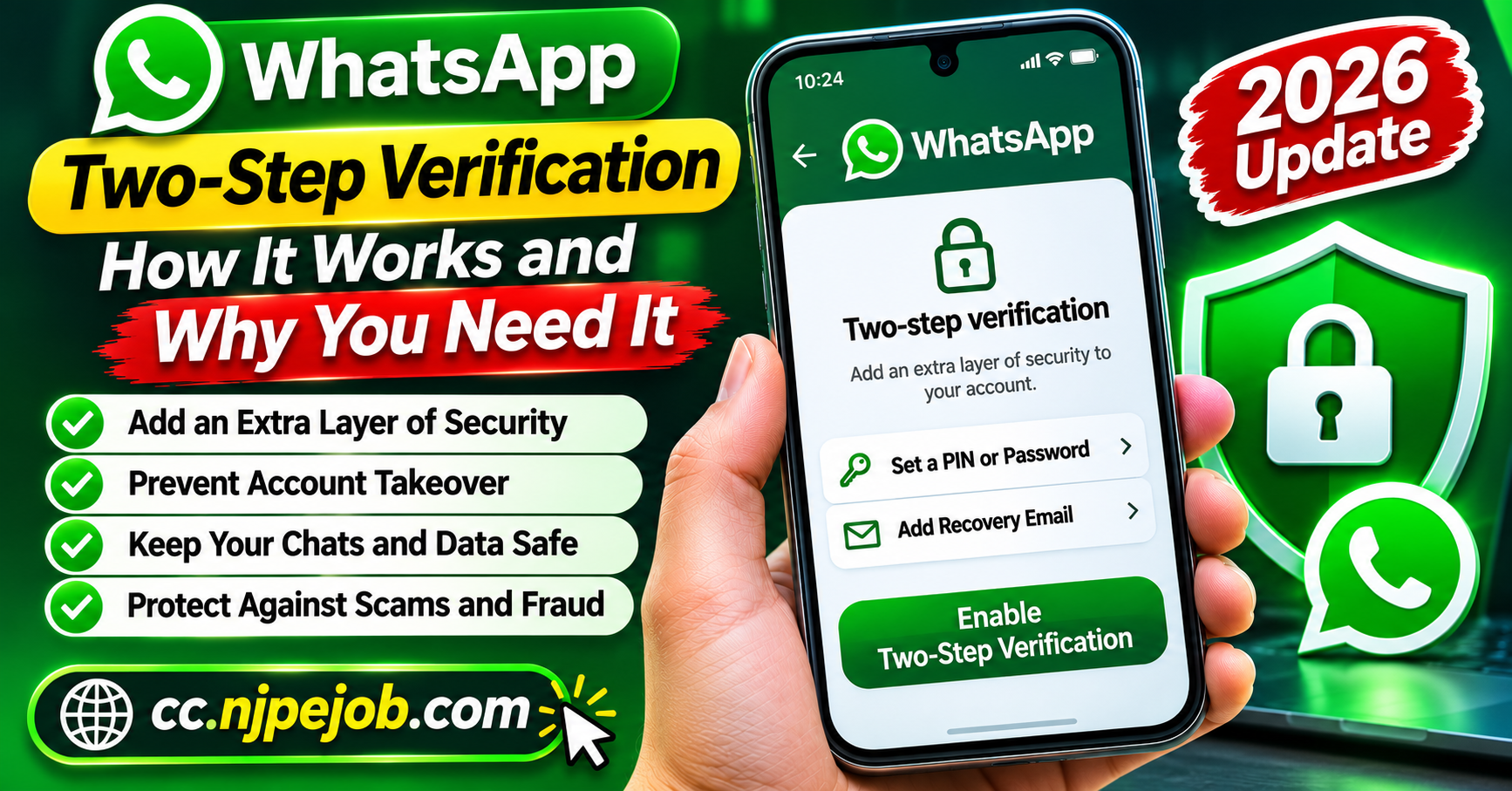
Enable two-step verification.
Review connected devices regularly.
Remove sessions you do not recognize.
You can review connected sessions through WhatsApp's Linked Devices section.
Treat unexpected account security requests as a warning sign.
7. Romance and Relationship Scams
Romance scams exploit emotional trust rather than technical vulnerabilities.
A criminal may begin a conversation on a dating application, social platform, or messaging service before moving the discussion to WhatsApp.
Over time, the person builds a seemingly genuine relationship.
They may share photographs, discuss future plans, and communicate regularly to create an emotional connection.
Eventually, the scammer introduces a financial problem.
Common stories involve medical emergencies, travel difficulties, business investments, or unexpected legal expenses.
Some scammers persuade victims to invest in fraudulent cryptocurrency platforms.
How to recognize the warning signs
A person who repeatedly avoids meeting or participating in genuine video conversations may deserve additional scrutiny.
Other warning signs include requests for secrecy, pressure to send money, and emotional manipulation.
Protecting yourself
Never send money to someone based solely on an online relationship.
Avoid sharing sensitive financial information, banking passwords, or identification documents.
If someone introduces an investment opportunity during a new online relationship, independently verify it before making any financial commitment.
A genuine relationship should not depend on repeated payments.
Essential Steps to Protect Your Money on WhatsApp
Recognizing scams is important, but preventive security habits are equally valuable.
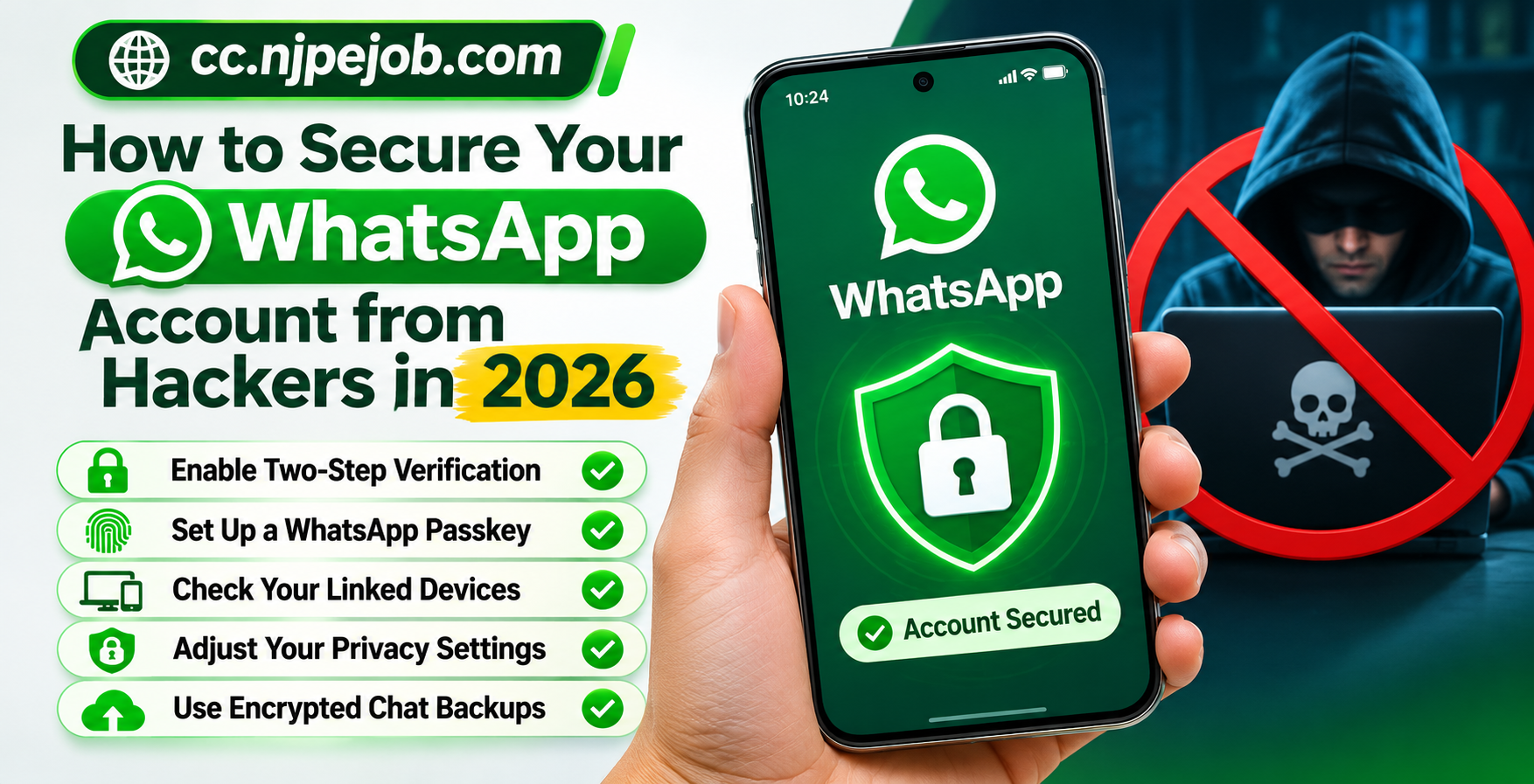
Start by enabling WhatsApp's available two-step verification and passkey features.
Protect your smartphone with a strong screen lock and keep its operating system updated.
Review your WhatsApp privacy settings to limit unnecessary exposure of personal information.
Be careful when receiving messages from unknown numbers, especially those involving financial transactions.
Never share banking passwords, credit card security codes, or one-time verification codes.
Whenever someone requests money, confirm their identity through a separate trusted communication channel.
Avoid downloading unfamiliar attachments or installing applications promoted through unexpected messages.
Finally, consider discussing common scams with family members, particularly those who may be less familiar with online security threats.
What Should You Do If You Lose Money Through a WhatsApp Scam?
If you have already transferred money to a suspected scammer, respond as quickly as possible.
First, contact your bank or payment provider through its official customer support channel.
Explain what happened and ask whether the transaction can be stopped, disputed, or reversed.
The available options depend on the payment method and circumstances.
Next, preserve useful evidence, including transaction records, screenshots, phone numbers, and suspicious website addresses.
Report the fraudulent WhatsApp account using the application's reporting tools.
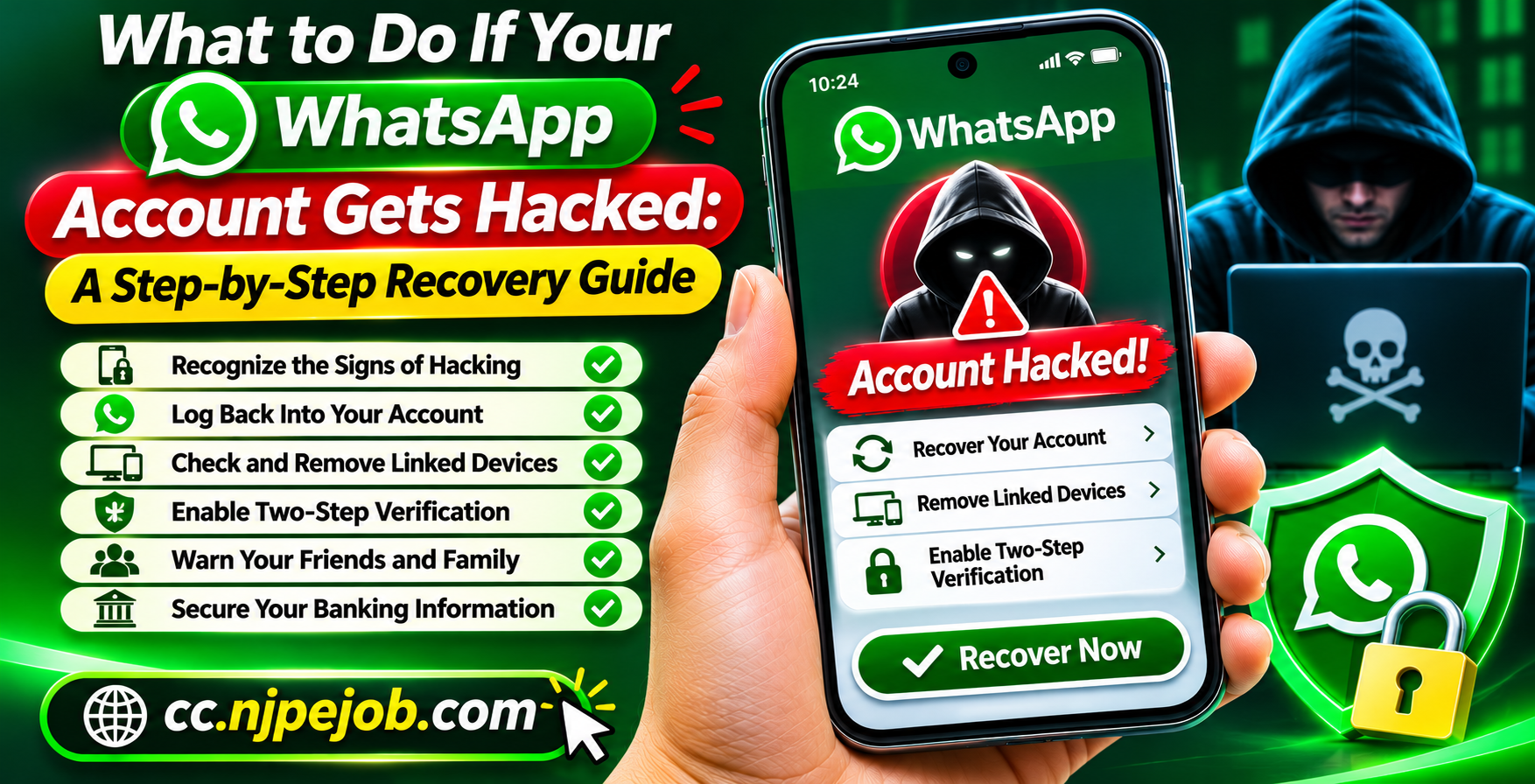
If account access has been compromised, follow WhatsApp's official recovery process and review linked devices.
Change any exposed passwords and secure associated email or financial accounts.
You should also report the incident to the relevant consumer protection or cybercrime authority in your country.
In the United States, suspected fraud can be reported to the Federal Trade Commission.
Avoid individuals who promise guaranteed recovery of stolen funds in exchange for advance fees, as these offers may themselves be scams.
Frequently Asked Questions
Can someone steal money directly through WhatsApp?
Receiving a normal WhatsApp message does not automatically allow someone to withdraw money from your bank account. However, phishing links, stolen credentials, fraudulent transactions, and social engineering can lead to financial losses.
Are WhatsApp investment groups safe?
Some groups discuss legitimate investments, but membership alone provides no proof of credibility. Be especially cautious when administrators promise guaranteed returns or demand immediate payments.
Can scammers use a hacked WhatsApp account?
Yes. Criminals who gain access to an account may impersonate its owner and send fraudulent payment requests to existing contacts.
How do I report a WhatsApp scam?
Open the suspicious conversation, access the contact or conversation information, and use the available Report or Block options. Reporting steps may vary slightly by device.
Final Thoughts
WhatsApp provides useful tools for personal and business communication, but users must remain alert to financial fraud.
Fake emergency requests, banking impersonation, job scams, investment fraud, fraudulent shopping offers, account takeover attempts, and romance scams can all lead to serious financial consequences.
The most effective protection is to verify unexpected requests, safeguard your authentication information, and avoid rushed financial decisions.
By developing responsible online habits, you can reduce your exposure to common WhatsApp scams and better protect your money in 2026.